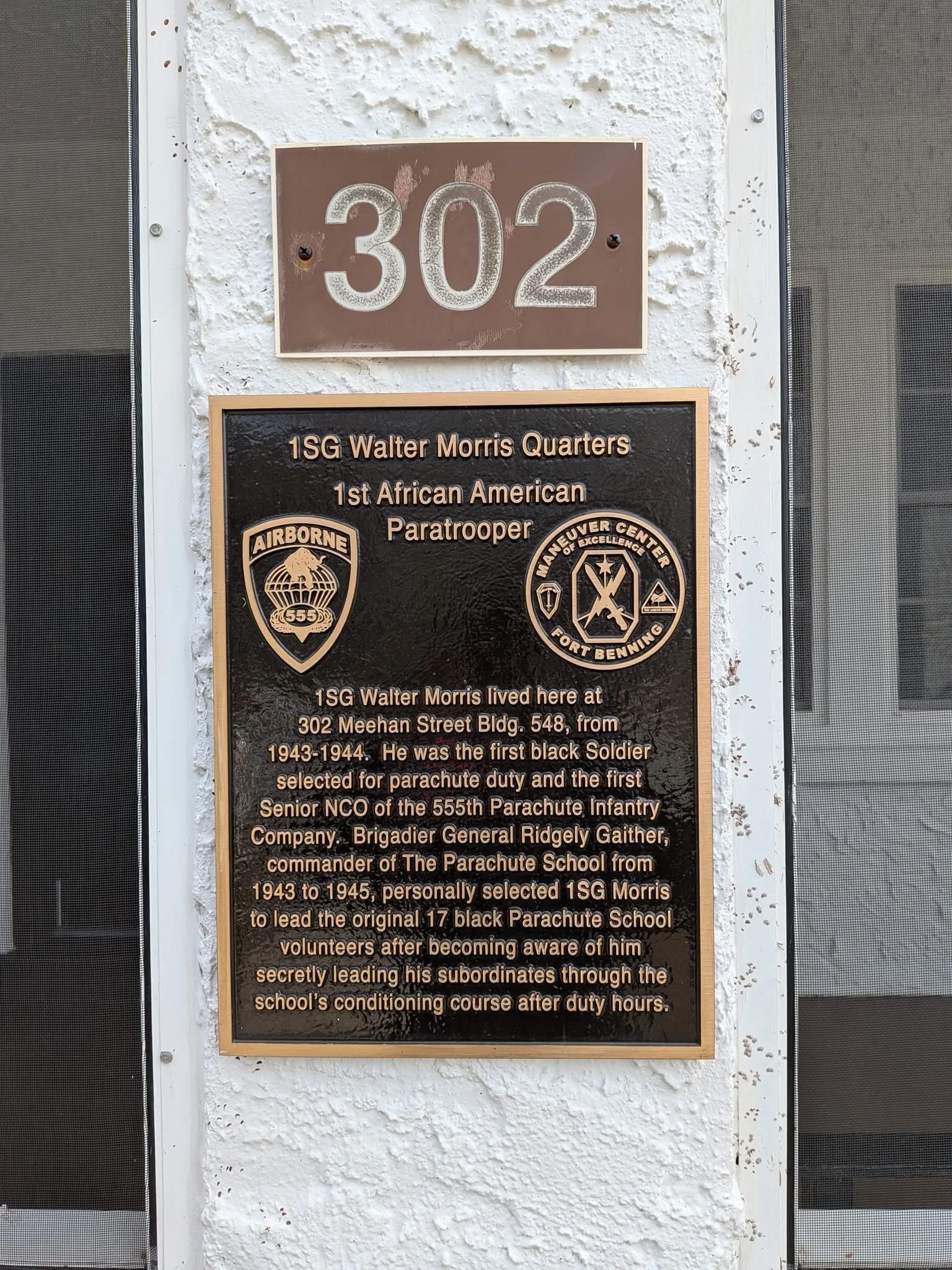
Preserving Heritage at Fort Benning: The Rededication of 302 Johnson Street
302 Johnson Street stands as a place where history, service, and stewardship come together.
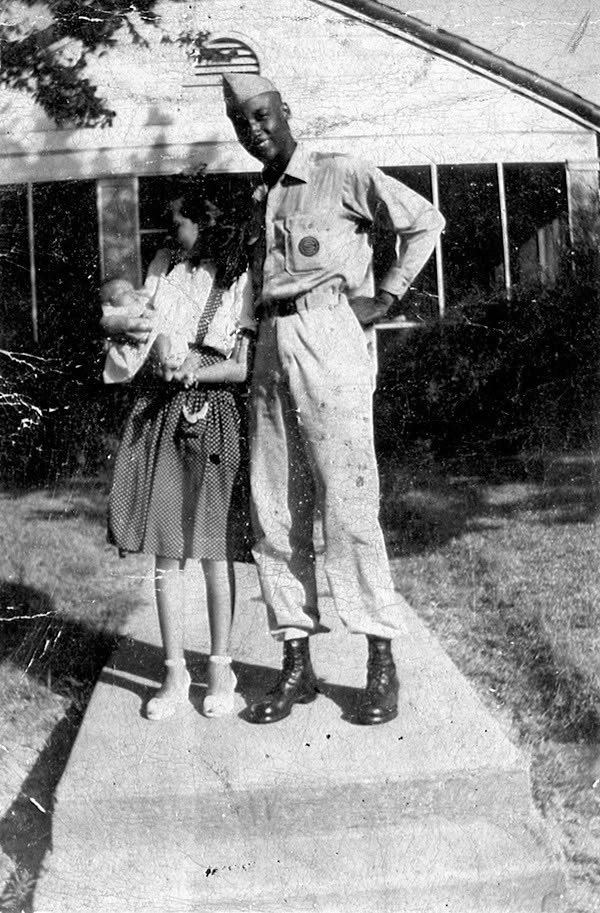
Built in 1931, this interwar-era home once housed First Sergeant Walter Morris, a leader whose actions helped shape both Fort Benning and the future of the United States Army. From 1943 to 1944, Morris lived in this residence while serving at Fort Benning, where his commitment to leadership and excellence would leave a lasting impact.
During a time when segregation limited opportunity, Morris demonstrated exceptional initiative by organizing after-hours airborne training to strengthen morale and prepare his Soldiers for greater challenges. His leadership drew the attention of General Ridgely Gaither, then Commandant of the Parachute School, and directly contributed to the formation of the 555th Parachute Infantry Battalion, known as the “Triple Nickles.”
As the battalion’s first senior noncommissioned officer, Morris led the original test platoon that proved Black soldiers could meet the Army’s most demanding airborne standards. The unit later carried out Operation Firefly during World War II, serving as smokejumpers in the Pacific Northwest to combat forest fires caused by Japanese incendiary balloon bombs. In 1947, the 555th was integrated into the 82nd Airborne Division, becoming one of the first all-Black units integrated into a regular Army division.
Preserving homes connected to this legacy is a responsibility that extends beyond renovation.
The restoration of 302 Johnson Street was part of a long-term initiative to modernize and preserve more than 370 interwar-era homes across the installation. These heritage homes require a careful balance between honoring historic character and meeting modern living standards.
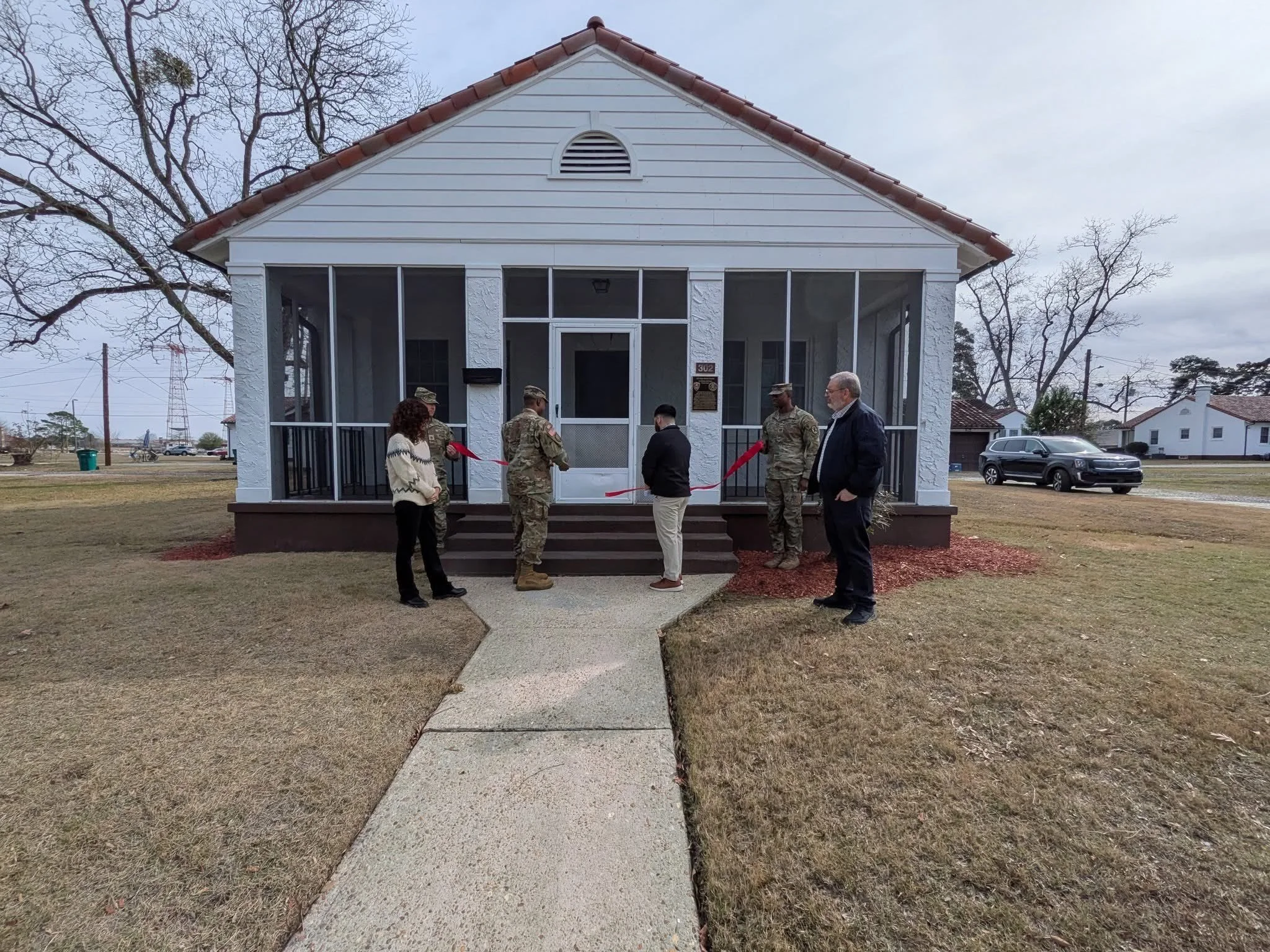
Following weather-related damage and other complexities, the restoration required careful planning and coordination. As with many historic homes, the scope and sequencing of work demanded a thoughtful approach to ensure updates were completed with appropriate care and craftsmanship. Improvements included roof replacement, interior and exterior painting, HVAC modernization, bathroom upgrades, energy-efficient windows, and professional floor refinishing.
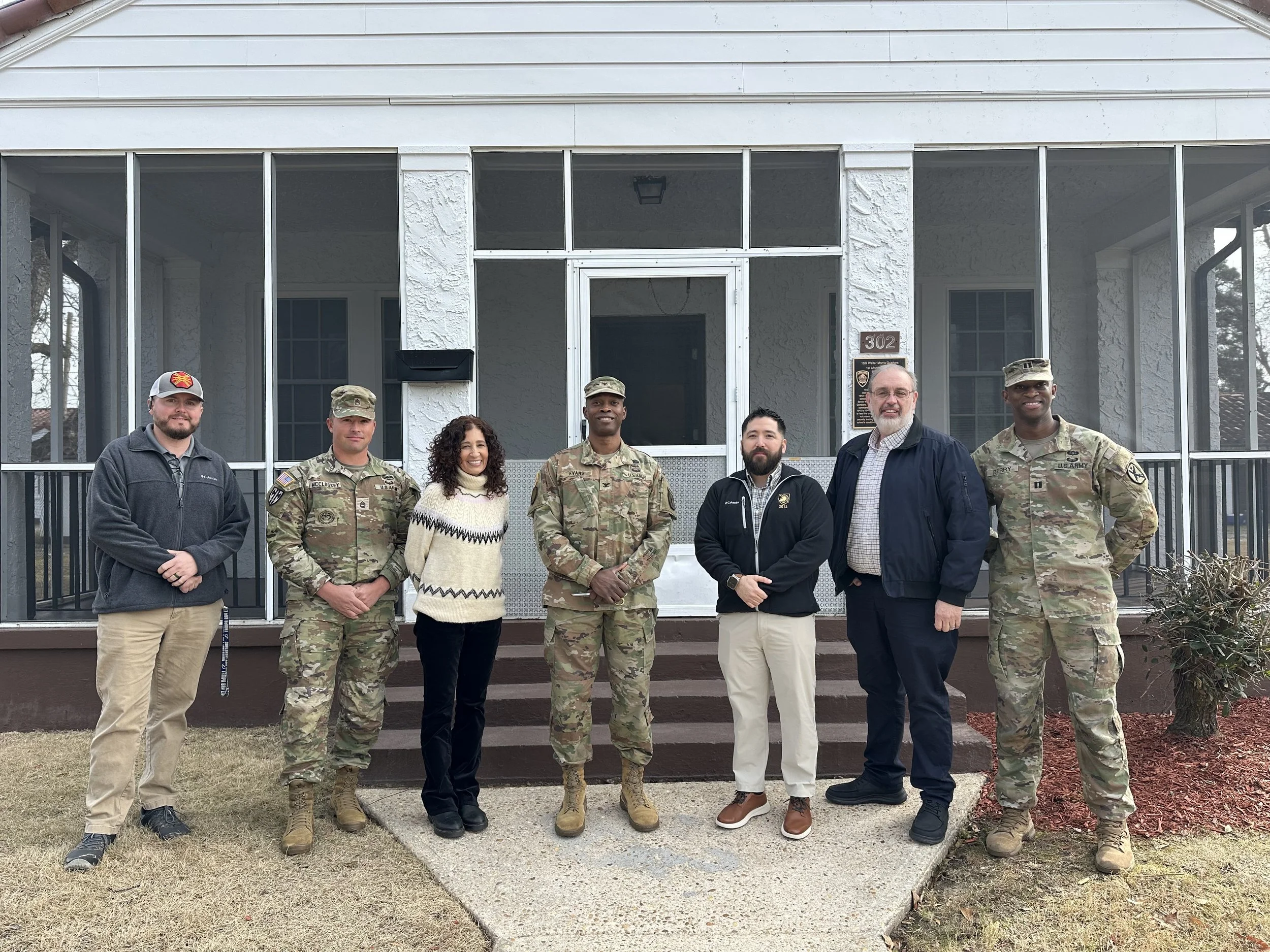
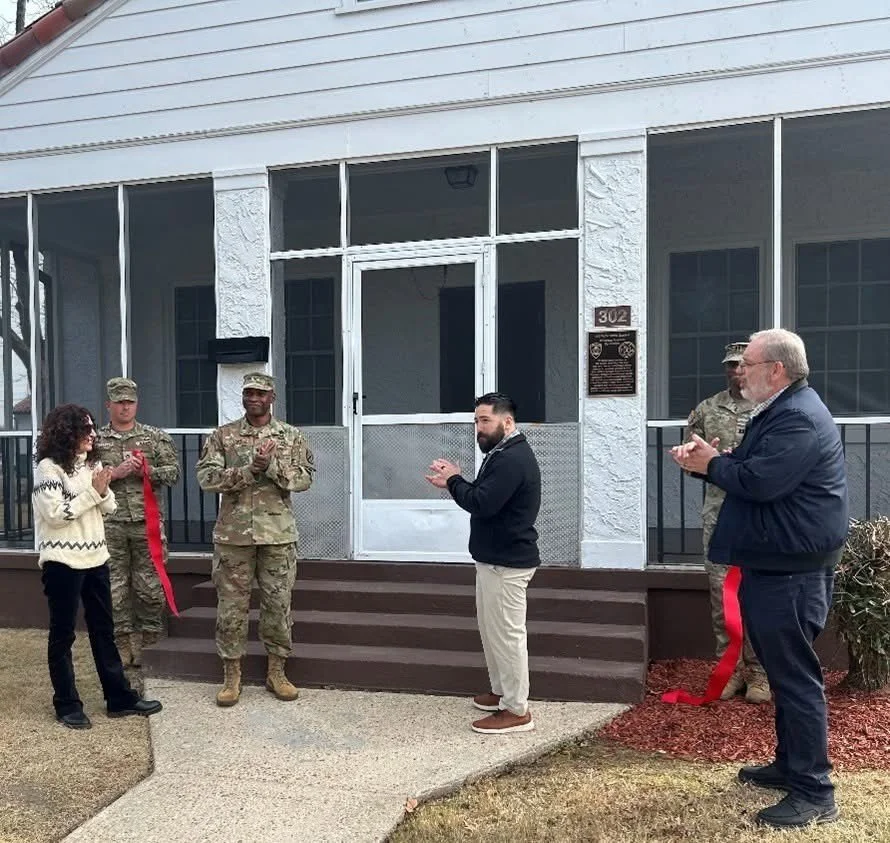
The recent rededication ceremony, hosted in partnership with Fort Benning Garrison, marked the completion of this effort and reaffirmed a shared commitment to preserving the installation’s heritage. The positive response from the community reflects pride in honoring meaningful places and the stories they represent.
As First Sergeant Morris once said, “What we proved was that the color of a man had nothing to do with his ability.” That legacy continues at 302 Johnson Street, a restored heritage home that stands as a reminder of leadership, resilience, and progress.